Why Suspension Problems Are Common In 4x4 Vehicles Used For Towing
For many 4x4 owners, towing is part of everyday use, whether it’s a caravan for weekend trips, a boat for time on the water or a trailer for work. While these vehicles are built to handle demanding conditions, towing introduces a different kind of load that changes how the vehicle behaves. What feels stable when driving without a load can become noticeably heavier, less responsive and more difficult to manage once weight is added behind the vehicle.
This shift isn’t just about how the vehicle feels to drive. Towing places ongoing stress on suspension in Albury, which is responsible for supporting weight, absorbing impacts and maintaining contact between the tyres and the road. Over time, that additional strain can lead to wear, reduced performance and handling changes that may affect safety and comfort. Understanding why these issues occur is an important step for anyone relying on their 4x4 for towing.
Increased Load & Constant Downward Pressure
One of the most immediate effects of towing is the added weight placed on the rear of the vehicle. This includes both the trailer weight transferred through the tow ball and any additional gear carried inside the vehicle. The suspension system must continuously support this load, often over long distances.
This constant downward pressure can lead to:
- Rear-end sagging, particularly when the load is near maximum capacity
- Reduced suspension travel, limiting the system’s ability to absorb bumps
- Changes in vehicle stance, where the front may sit higher than usual
When suspension components are under continuous load, they do not return to their original position as easily. Over time, this can contribute to long-term sagging and reduced ride height. Drivers searching for suspension in Albury often look into ways to better manage these loads, especially when towing is a regular part of vehicle use.
Heat Build-Up in Shock Absorbers
Shock absorbers play a key role in controlling movement within the suspension system. They work by dampening the energy created when the vehicle travels over uneven surfaces. When towing, this process happens more frequently and with greater force.
As a result, shock absorbers can generate heat during operation. Over extended periods, this heat may lead to:
- Reduced damping ability as internal fluids thin out
- Increased movement or ‘bounce’ after hitting bumps
- Gradual wear of seals and internal components
Unlike sudden failures, this type of wear can develop slowly. Drivers may notice subtle changes first, such as a less controlled ride or increased movement when braking. Over time, these changes can become more noticeable, particularly when the vehicle is carrying a load.
Uneven Weight Distribution & Handling Changes
Towing shifts the balance of the vehicle. Instead of weight being evenly distributed across both axles, more of it is concentrated at the rear. This affects how the vehicle responds to steering, braking and changes in direction.
Some of the common handling changes include:
- Reduced steering response due to lighter load on the front tyres
- Increased body roll when cornering
- Greater sensitivity to wind or passing vehicles
These effects can become more pronounced at higher speeds or when travelling on uneven surfaces. Even small changes in weight distribution can influence how the suspension system behaves, particularly if it has not been adjusted to suit towing conditions.
Accelerated Wear on Springs & Components
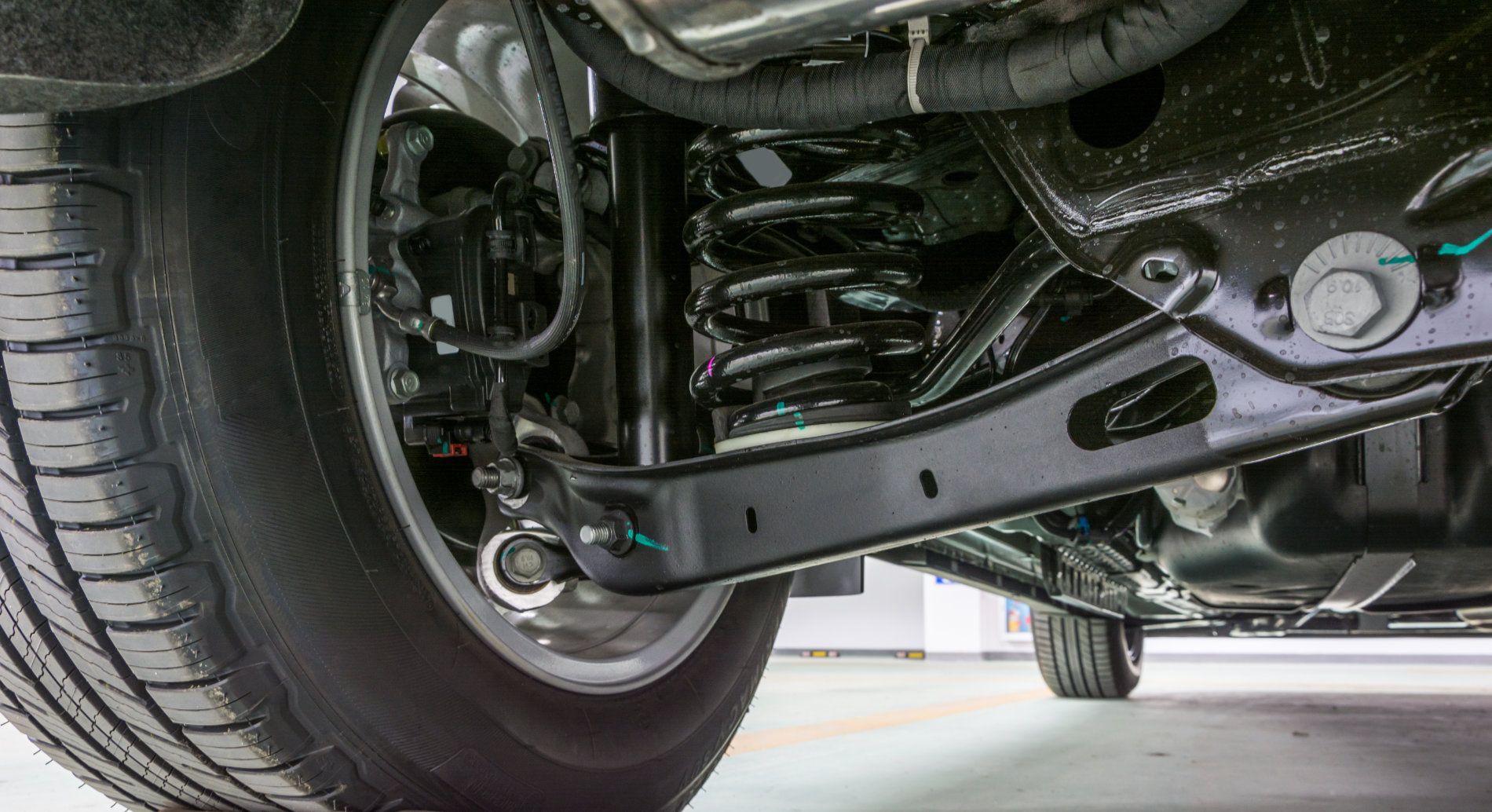
Springs are designed to carry weight and absorb impacts, but they have limits. When towing regularly, springs are placed under continuous strain, which can lead to gradual fatigue.
Over time, this may result in:
- Loss of original spring height
- Reduced ability to absorb impacts effectively
- Increased stress on surrounding components
Bushings, mounts and other connection points can also experience additional wear. These parts play an important role in maintaining alignment and absorbing vibration. As they wear, the suspension system may begin to feel less stable or produce unusual noises.
Impact of Road Conditions on Towing Vehicles
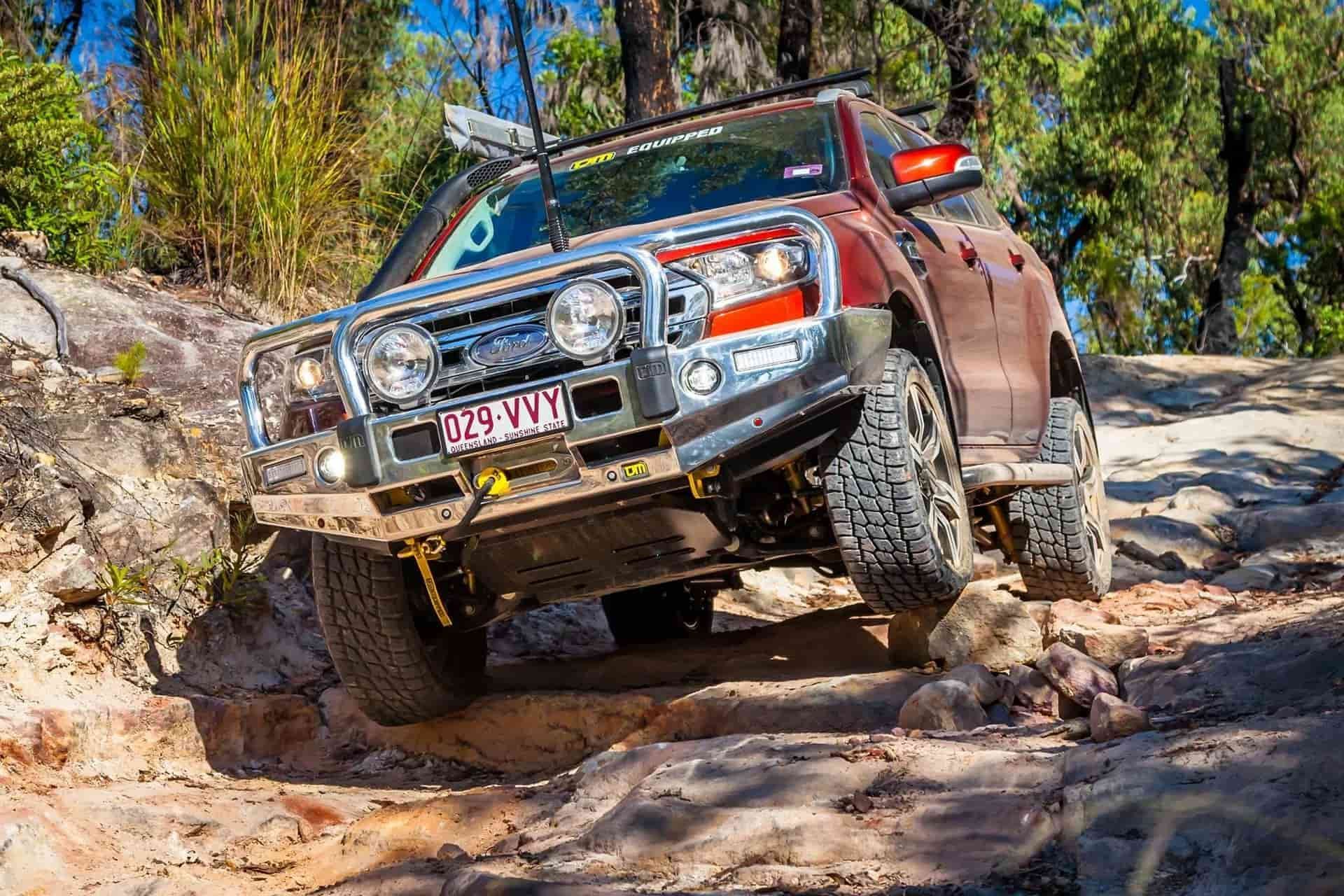
Road conditions play a significant role in how suspension systems perform. In Australia, drivers often encounter a mix of surfaces, including highways, gravel roads, and uneven tracks. When towing, these conditions can place additional strain on the suspension.
Some of the challenges include:
- Repeated impacts from corrugations or potholes
- Increased vibration through the chassis
- Greater stress on suspension joints & mounting points
The combination of towing weight and uneven terrain can amplify these effects. Vehicles used for long-distance travel or off-road towing may experience faster wear compared to those driven mainly on sealed roads.
The Role of GVM & Payload Limits
Every vehicle is designed with specific weight limits in mind. Gross Vehicle Mass (GVM) includes the total weight of the vehicle, passengers, cargo and tow ball download. When towing, it’s easy for these limits to be approached or exceeded.
Operating near these limits can affect suspension performance by:
- Reducing available suspension travel
- Increasing load on shocks & springs
- Placing additional strain on structural components
Even when the trailer itself is within towing capacity, the added load transferred to the vehicle can still impact how the suspension operates. Being aware of these limits helps in understanding how towing affects the overall system.
Why Correct Suspension Setup Matters
Not all suspension systems are designed with towing in mind. Factory setups are often a balance between comfort and general use, which may not suit vehicles that regularly carry heavy loads.
Adjustments to suspension can help address:
- How weight is distributed across the vehicle
- Changes in ride height under load
- Stability during acceleration, braking & cornering
This may involve selecting springs with different load ratings or using components designed for sustained use under load. The goal is to align the suspension setup with how the vehicle is used, rather than relying on a one-size-fits-all approach.
Importance of Regular Inspections & Maintenance
Suspension systems experience gradual wear, which means issues can develop over time without being immediately obvious. Regular inspections can help identify early signs of wear before they become more noticeable.
Areas to monitor include:
- Shock absorbers for signs of leakage or reduced performance
- Springs for sagging or visible damage
- Bushings and mounts for wear or movement
For vehicles used frequently for towing, these checks become even more relevant. Changes in ride height, handling or unusual sounds can indicate that components are under strain. Addressing these changes early can help maintain consistent vehicle behaviour.
Get in Touch
At TJM Albury Pty Ltd, we understand how towing can place additional demands on your vehicle, particularly with the mix of highway driving, regional travel and varying road conditions in the area. If you’re exploring options for suspension in Albury or want your current setup looked at, contact us to discuss your vehicle and how it’s being used. Whether you’re preparing for a trip or noticing changes in how your 4x4 handles, we’re here to help you move forward with confidence.