Why Suspension Is The One 4x4 Upgrade You Shouldn't Buy Online
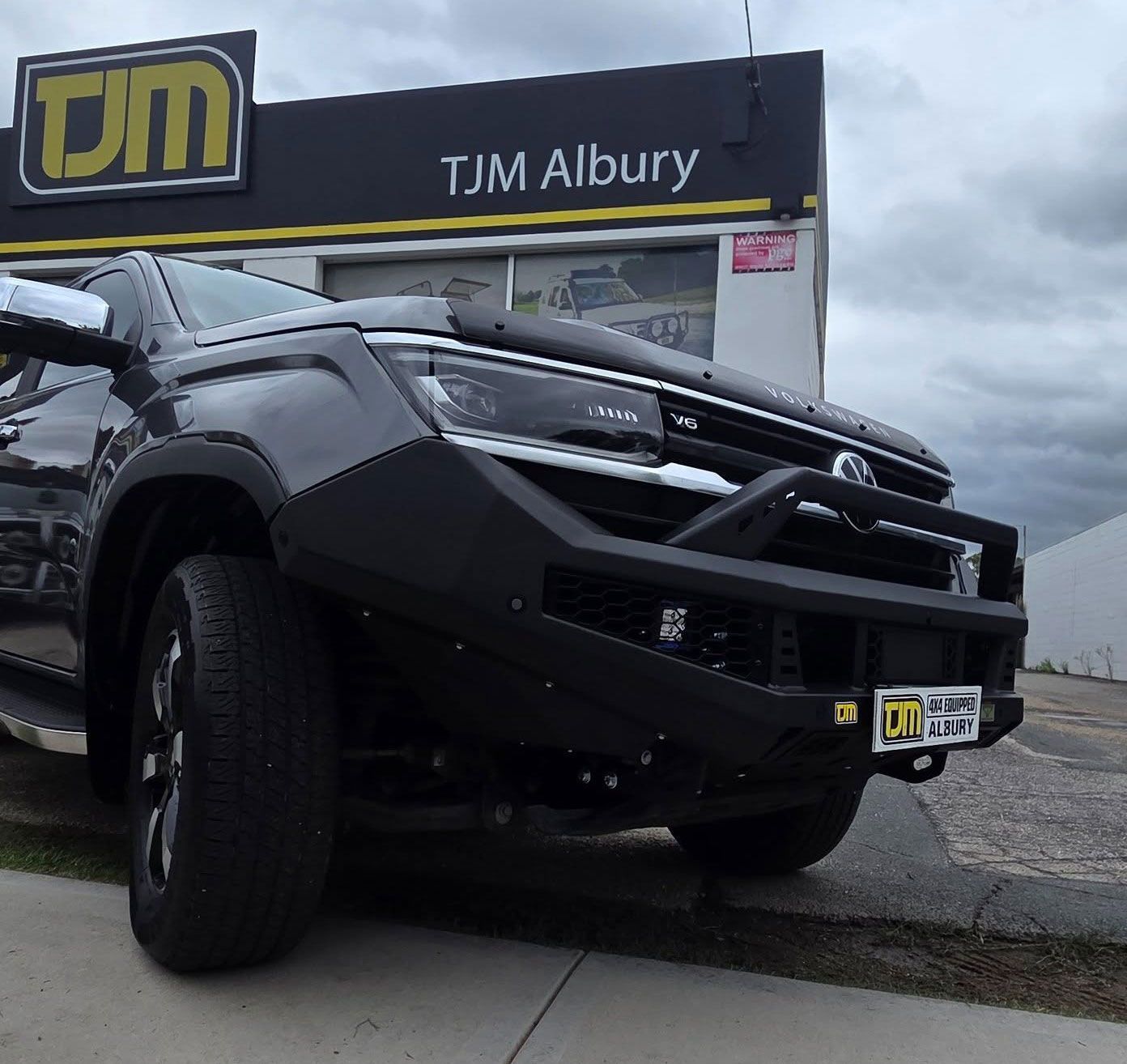
Buying 4x4 accessories online has become the default for a lot of drivers — and for plenty of items, it works fine. But suspension is different. It's the one category where getting the spec wrong doesn't just cause inconvenience. It affects braking distance, steering response, tyre wear and rollover resistance. In NSW, it can also make your vehicle non-compliant, non-roadworthy and potentially uninsured.
Here's why suspension is the category that needs local expertise, not just a product listing and a freight quote.
Compatibility Charts Don't Know Your Vehicle
Online retailers work from broad compatibility tables. Those tables are built from manufacturer specs on stock vehicles — they don't account for what your vehicle actually looks like right now.
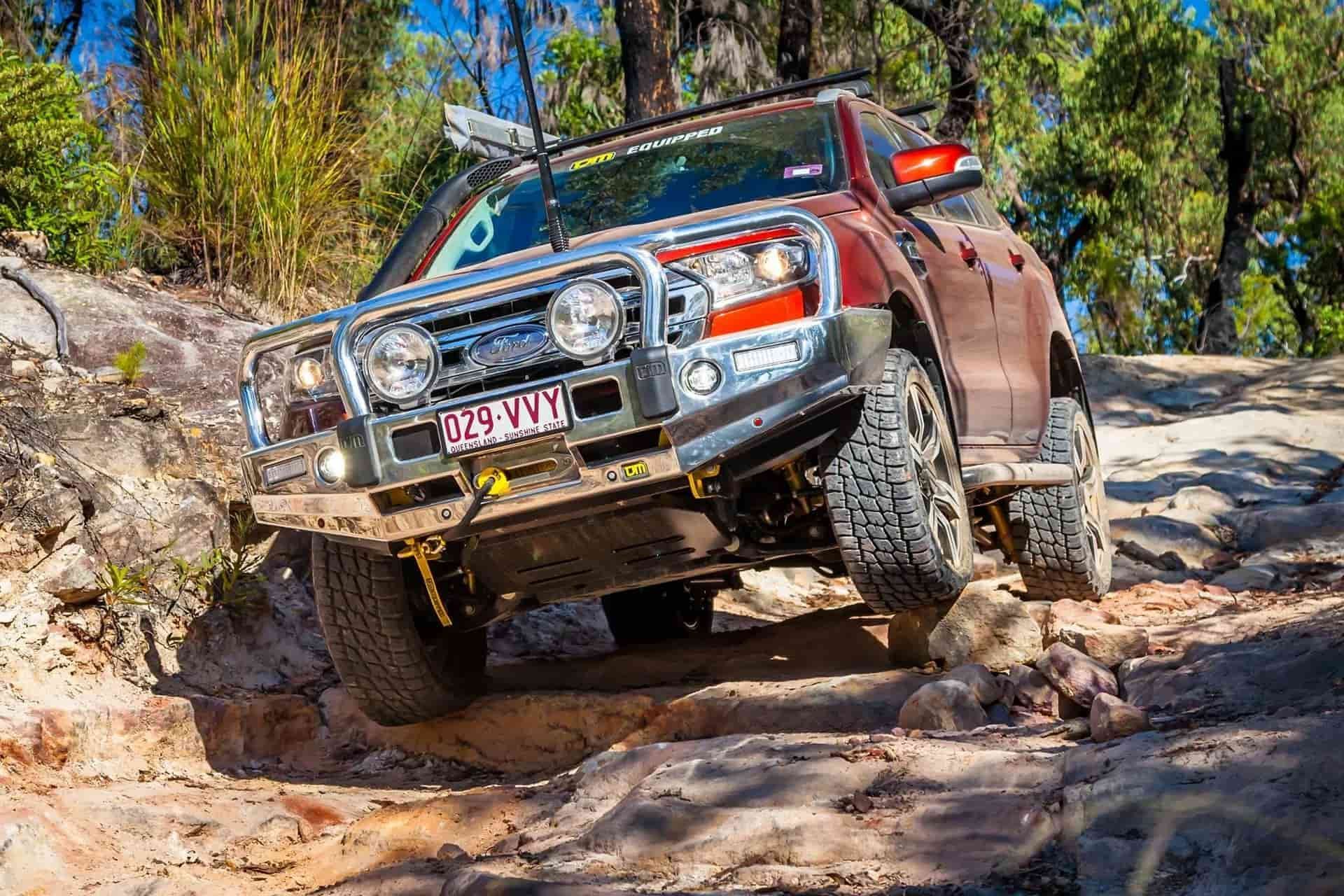
If you're already running a bull bar, a winch, roof rack and a full drawer system, your front axle load is well past factory baseline. Spring rates that suit a stock Hilux won't suit your loaded touring rig. An online retailer has no way to know that without seeing the vehicle. A local workshop does, because they look at it before anything is specified.
- Compatibility charts don't account for existing accessories and added weight
- GVM differences between variants require different spring rates and shock valving
- Cab configuration, chassis profile and factory-fitted accessories all affect fitment in ways a chart can't capture
Why Getting Suspension Wrong Has Bigger Consequences
A misaligned roof rack bracket is frustrating. Incorrect suspension is a safety issue.
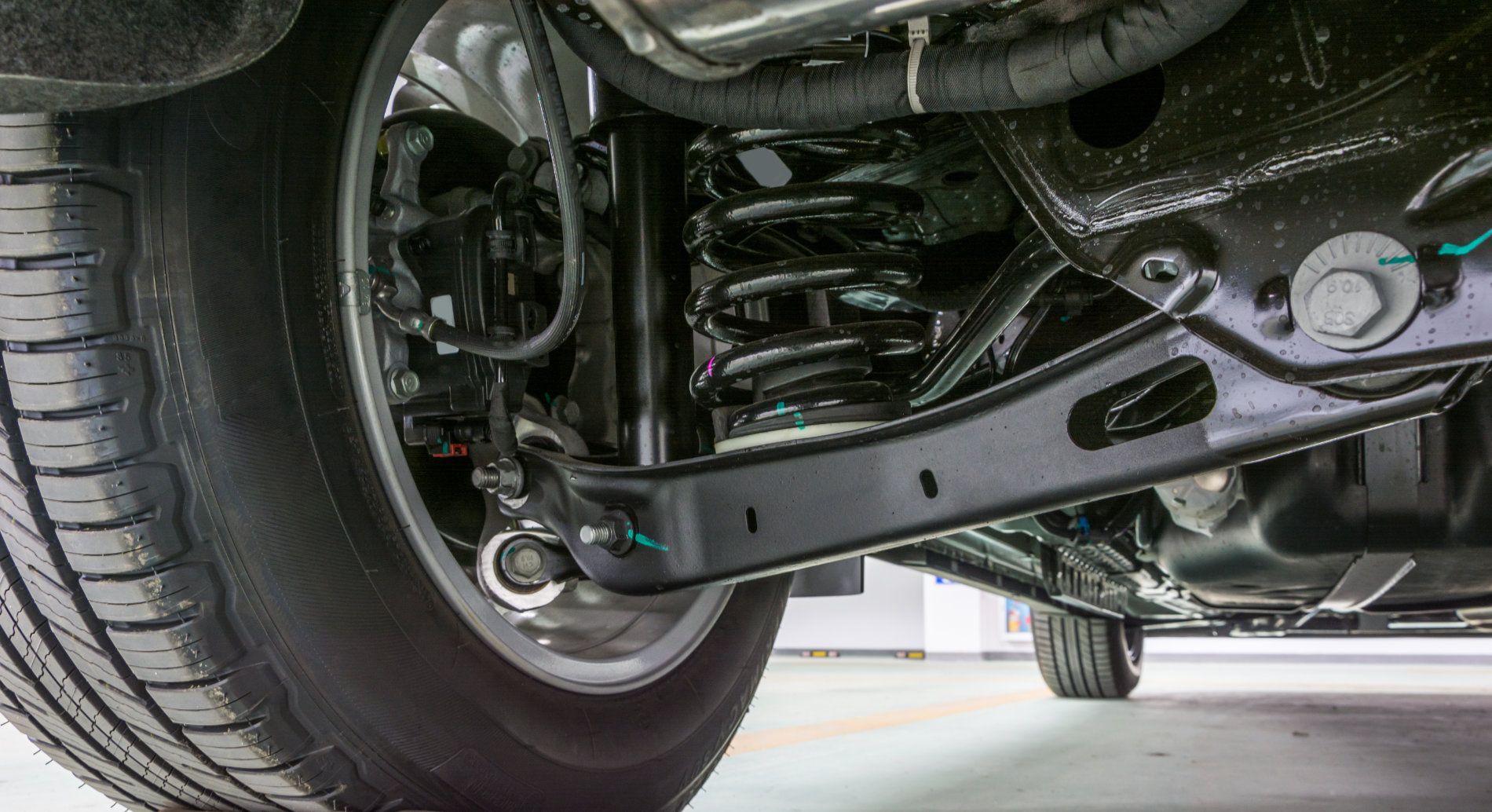
Suspension directly controls how your tyres contact the road, how the vehicle responds under braking and how stable it is through corners. Get the spec wrong and those things degrade in ways that aren't always obvious until something goes wrong on a remote track or at highway speed.
There's also a compliance dimension that's specific to suspension. In NSW, suspension modifications are regulated under the Vehicle Standards Information (VSI) guidelines issued by Transport for NSW. Lift heights, spring rate changes and GVM upgrades require the work to be done correctly and, in many cases, certified. Buying online and self-installing doesn't satisfy that requirement — and it can void your registration and insurance in the process.
Key risks that online purchasing can't account for:
- Spring rate selection must reflect actual loaded vehicle weight — bull bars, roof racks, water tanks, towing setup — not factory spec
- GVM upgrade kits require engineering certification in NSW — a self-install doesn't satisfy this
- Shock valving needs to match intended use — highway touring and corrugated outback tracks require very different damping setups
- Lift kits alter steering geometry — without a post-install alignment and geometry check, tyre wear and handling are compromised
- Modern 4WD platforms with electronic damping systems can throw fault codes or disable safety features if aftermarket suspension doesn't integrate correctly
The Real Cost of Buying Online
The purchase price looks attractive until you add up everything else. A suspension kit that arrives with the wrong spring rates needs to go back — with freight costs both ways for heavy components. If fitment issues only become apparent after installation, workshop labour to rectify them can quickly exceed whatever was saved upfront.
Then there's the wheel alignment, which is always required after suspension work. And if the kit turns out to be non-compliant with NSW modification standards, the cost of rectification is entirely on you.
- Return freight for heavy suspension components is expensive and slow — replacement stock can be weeks away
- Workshop labour to modify or rectify an incorrect fitment is charged at full rates
- Post-install wheel alignment is a mandatory additional cost that changes the price comparison significantly
What Local Installation Actually Looks Like
When suspension is sourced and fitted locally, the vehicle is assessed before anything is specified. Current accessories, towing requirements, GVM status and planned future additions are all factored in. The system recommended is the one that suits how the vehicle is actually used — not how a stock version of it was used when the compatibility chart was written.
Installation is carried out by people who have fitted the same systems on the same platforms before. Post-installation, a wheel alignment and geometry check confirms the vehicle handles correctly before it leaves the workshop. NSW VSI compliance is part of the process, not an afterthought.
- Vehicle inspected before any product is specified
- Spring rates and shock valving matched to actual load and use case
- GVM compliance and certification handled as part of the installation
- Post-install alignment and geometry check included
Talk to TJM Albury Before You Buy
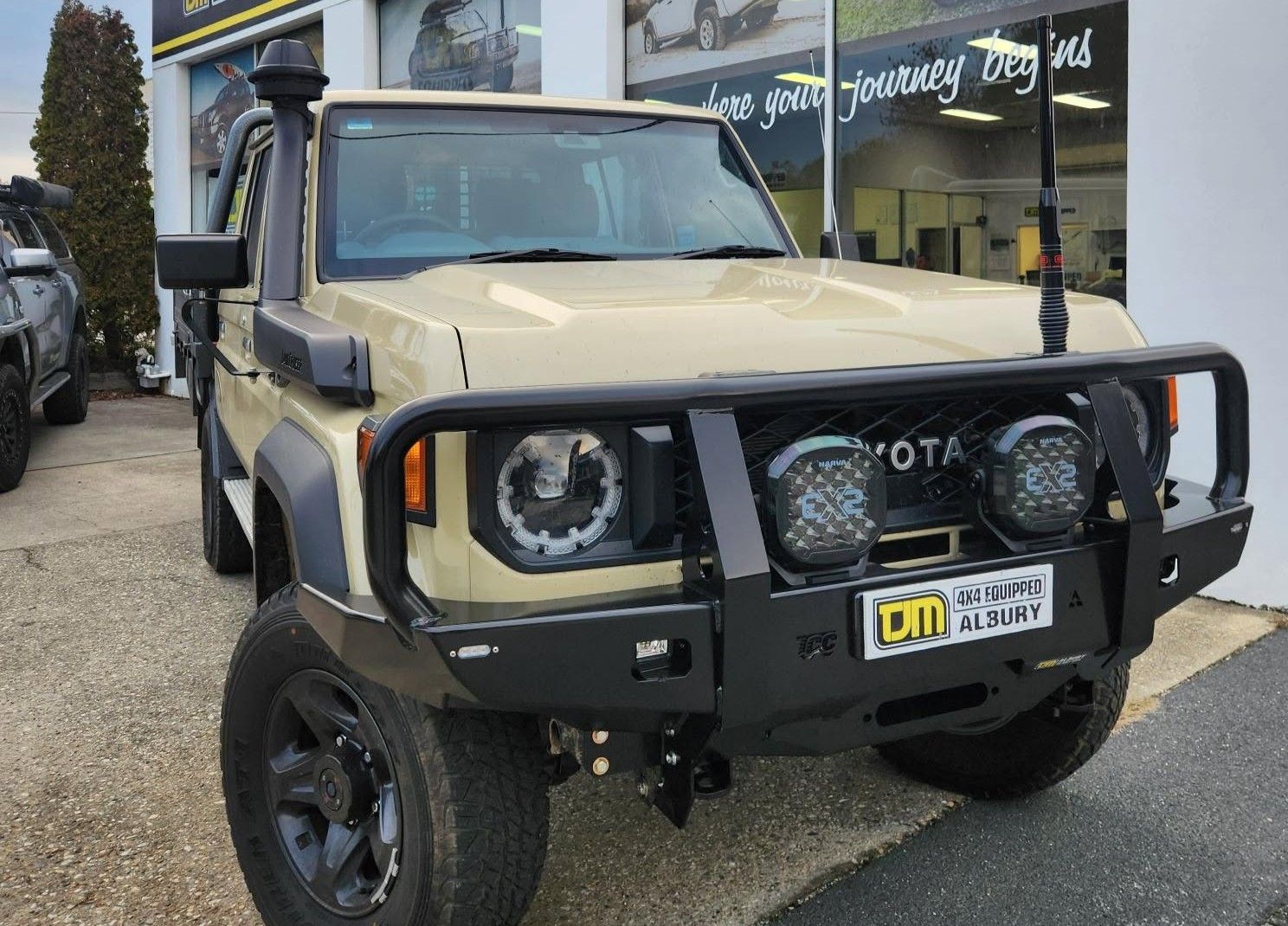
At TJM Albury, suspension is where a lot of our touring build conversations start — because it's the foundation everything else depends on. We see the results of online purchasing regularly: kits specced for stock vehicles, spring rates that can't handle the actual load, lift heights that fall outside NSW compliance.
If you're looking at suspension in Albury — a lift kit, GVM upgrade, replacement shocks or a full touring setup — get in touch before you commit to a purchase. We'd rather spec it right the first time than fix it after the fact. Book a suspension consultation.