How Bull Bar Rust And Cracking Start In Harsh Australian Weather
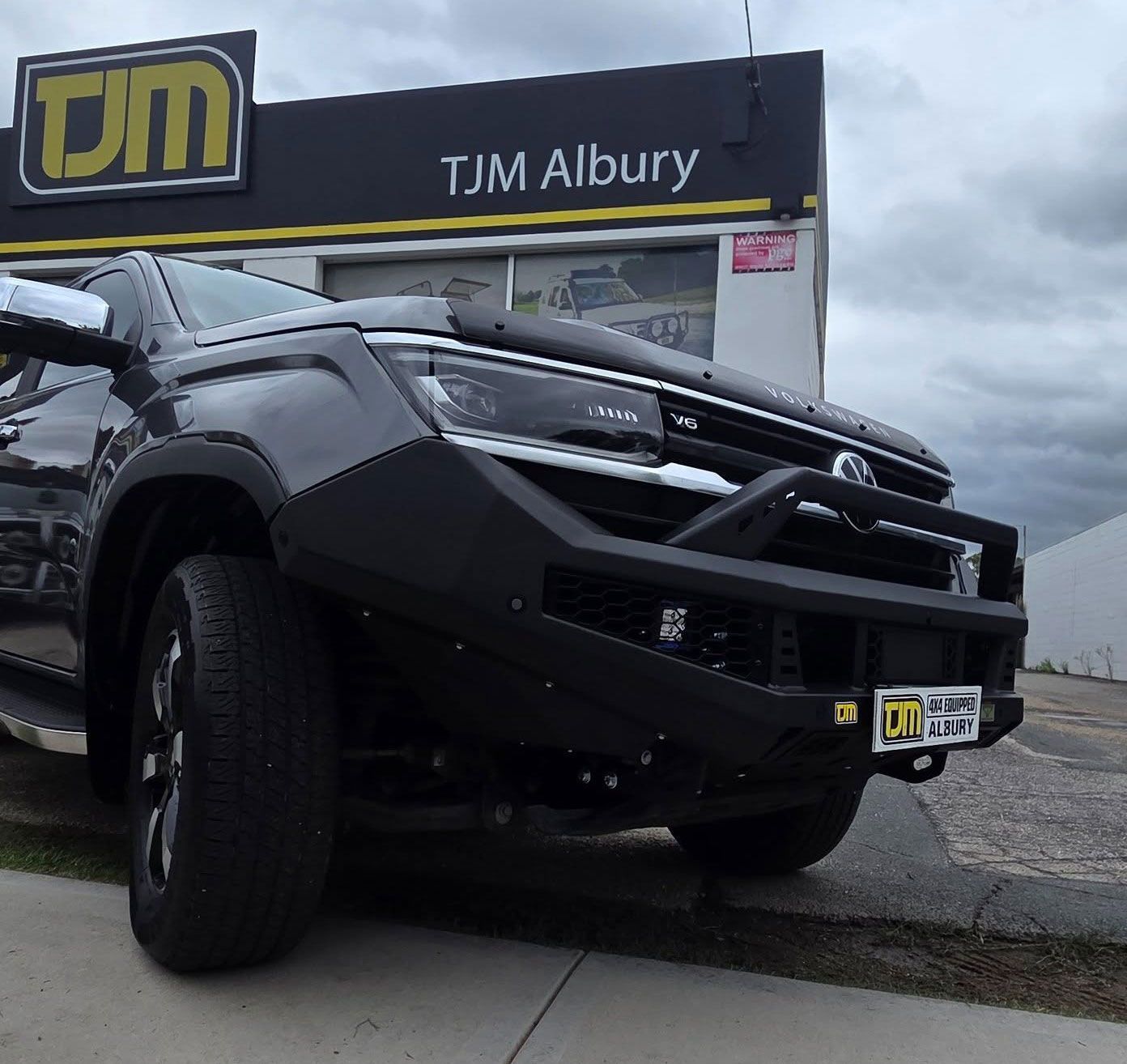
A bull bar looks tough enough to shrug off anything the road throws at it, yet the real damage often begins quietly, long before a single dent or scratch appears. Heat, moisture and grit work away at the metal and mounting points in ways that aren't obvious from the driver's seat. For anyone relying on bull bars Albury weather can be hard on, understanding how rust and cracking actually develop is the first step towards keeping that protection genuinely reliable. This isn't just about appearances. It's about what's happening underneath, how weather accelerates wear and what that means for the safety and roadworthiness of your vehicle over time.
How Australian Weather Conditions Accelerate Bull Bar Damage
Australian conditions swing between extremes that most vehicle components simply weren't designed to handle indefinitely. Intense UV exposure breaks down protective coatings, while sudden temperature shifts between scorching days and cold nights cause metal to expand and contract repeatedly. Add in dust, road salt from coastal trips and constant moisture from rain or river crossings, and you've got a recipe for accelerated wear on any bull bar in Albury:
- UV radiation degrades paint and powder coating faster than in milder climates
- Rapid heating and cooling cycles stress welds and joints
- Dust and grit work into small surface scratches, trapping moisture
- Rain, humidity and water crossings introduce corrosion at contact points
These factors compound over time, meaning damage that seems minor in year one can become structural by year three or four.
Why Early Rust and Cracking Often Go Unnoticed
The trouble with early-stage corrosion is that it rarely announces itself. Rust often starts underneath mounting brackets or behind the bar itself, areas that aren't part of a routine glance during a fuel stop or car wash. Cracking, too, tends to begin as a hairline fracture near a weld point, invisible unless you're specifically looking for it.
Drivers focused on the bigger picture of vehicle maintenance can easily overlook a
bull bar in Albury until the problem becomes visible from the outside:
- Rust forming behind brackets or in bolt holes stays hidden from view
- Hairline cracks near welds are easy to miss without close inspection
- Surface paint can mask corrosion happening underneath
- Regular driving vibration slowly worsens small, unnoticed cracks
By the time visible signs appear, the underlying damage has usually been progressing for months.
The Hidden Risks of Ignoring Bull Bar Damage
Treating bull bar rust and bull bar cracking as a cosmetic issue rather than a mechanical one is where most owners go wrong. A bull bar's job is to protect your vehicle and its occupants, and a bar weakened by corrosion or fracturing can fail at exactly the moment it's needed most. There are also practical consequences that extend beyond safety, including how the vehicle is assessed for roadworthiness.
Ignoring the early signs can lead to a chain of problems:
- Reduced structural integrity in the event of an impact or animal strike
- Compromised mounting points affecting driving lights or winch fittings
- Potential roadworthiness issues if damage is significant enough to fail inspection
- Higher repair costs once corrosion spreads beyond the surface
None of these outcomes are guaranteed, but they become far more likely the longer damage is left unaddressed.
Preventative Maintenance Tips to Extend Bull Bar Lifespan
The good news is that most bull bar deterioration is preventable with a bit of consistent care. Bull bar maintenance doesn't need to be complicated, but it does need to be regular, particularly if your vehicle spends time on dusty tracks, near the coast or doing long-distance touring.
A few simple habits go a long way towards protecting your investment:
- Wash off dust, mud and salt buildup after off-road or coastal trips
- Inspect mounting bolts and brackets for early signs of surface rust
- Touch up any chips or scratches in the coating before moisture gets in
- Check welds and joints periodically for hairline cracks
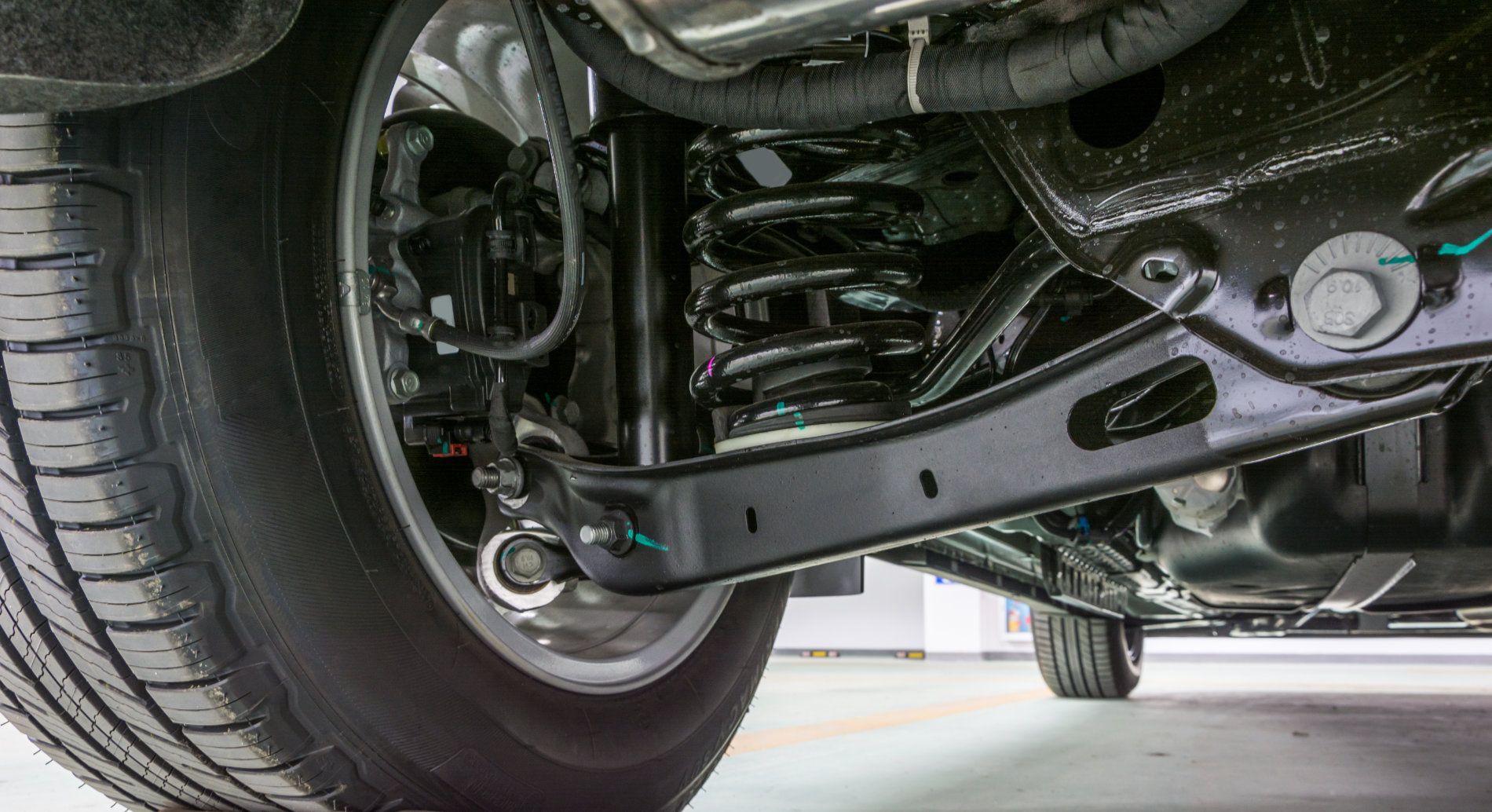
This kind of upkeep pairs well with attention to other parts of the vehicle that face similar wear, including suspension damage in Albury conditions can cause over time.
When to Get Your Bull Bar Professionally Inspected
While a lot of bull bar care can be handled at home, there are certain signs that warrant a proper professional assessment rather than a DIY fix. Bull bar rust around structural mounting points, bull bar cracking near welds or any looseness in the bar's fitting are all reasons to get it checked properly.
A trained eye can pick up on issues that aren't obvious to someone without technical experience:
- Visible rust spreading beyond the surface coating
- Any movement or looseness when the bar is checked by hand
- Cracks appearing near welds, joints or mounting brackets
- Uncertainty about whether current damage affects roadworthiness
Getting ahead of these issues means smaller repairs now instead of a full replacement later.
What This Means For Your Vehicle's Long-Term Protection
Bull bars are built to last, but they're not immune to the environment they're constantly exposed to. Recognising how rust and cracking develop, and understanding why they're often missed until they've progressed, puts owners in a much stronger position to protect their vehicle over the long term. This is particularly relevant for anyone relying on their vehicle daily, towing regularly or heading off the beaten track often, since the demands placed on a bull bar only increase with use.
Choosing The Right Bull Bar From The Start
Not every bull bar is built the same way, and the materials and construction quality used can make a real difference to how well bull bars in Albury stand up to local conditions. Steel and alloy bars each behave differently under stress, and the quality of welding, coating and mounting hardware all affect how long a bar remains structurally sound. Choosing wisely from the outset reduces the maintenance burden down the track and gives a better foundation for long-term durability.
Keeping Your Whole Setup Roadworthy
A bull bar doesn't operate in isolation from the rest of your 4x4 setup. Mounting points, driving lights and winch fittings are often integrated into the bar itself, meaning any structural weakness can have knock-on effects elsewhere. Vehicles that are well set up for touring or work use tend to have their protection, lighting and
suspension all assessed together, since roadworthiness comes down to how the whole vehicle performs as a system rather than any single component in isolation.
Get In Touch With TJM Albury Pty Ltd
We at TJM Albury Pty Ltd understand how demanding Albury's conditions can be on a bull bar, from dusty backroads to long stretches of highway driving in the height of summer. If you've noticed early signs of rust, cracking or general wear on your bar, or you'd simply like a professional set of eyes on it before your next trip, our team is here to help. We can also assess broader concerns around suspension or general 4x4 setup while you're in, since a well-maintained vehicle relies on more than one part working properly. Reach out to book an inspection, ask about your options as a 4x4 store Albury locals trust, or have a chat with our team about keeping your rig road-ready for whatever's next.