Suspension Albury: Is Your GVM Upgrade Legal In NSW?
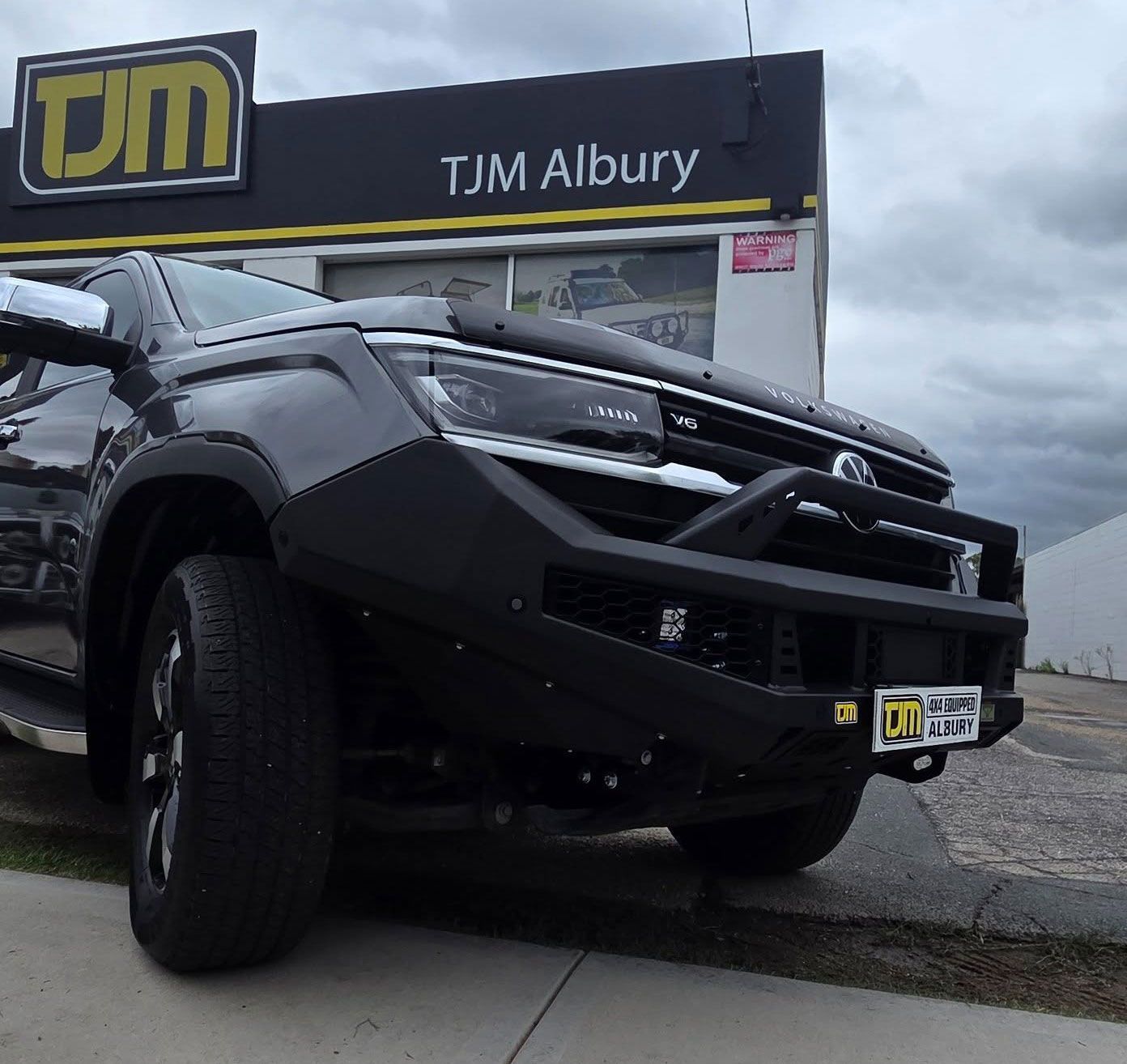
A GVM upgrade in NSW needs more than heavy-duty springs and a higher number on a workshop invoice. Depending on when and how the vehicle is modified, different approval and certification pathways apply. For 4WD and ute owners thinking about upgrading their suspension in Albury, getting the compliance side right is just as important as fitting the correct hardware.
That matters at registration, during roadside compliance checks and whenever you need to demonstrate exactly what modifications have been legally approved for your vehicle.
What Is a GVM Upgrade?
Gross Vehicle Mass (GVM) is the maximum permitted operating mass of a vehicle when loaded. It includes the vehicle itself plus occupants, fuel, accessories, cargo and other load carried by the vehicle.
A GVM upgrade increases the vehicle's approved maximum mass through an appropriate modification and compliance pathway. Crucially, fitting heavier springs does not automatically increase the legal GVM.
A suspension modification may change how the vehicle carries weight, but its approved GVM doesn't simply increase because stronger components have been installed. A legitimate upgrade requires a package approved for the relevant vehicle and completion of the applicable compliance process.
Is a GVM Upgrade Legal in NSW?
Yes, GVM upgrades can be legal in NSW when they follow the applicable approval and certification requirements. Transport for NSW explains that significant light-vehicle modifications require certification by a licensed certifier before the vehicle is used on a road or road-related area. Its Vehicle Standards Information and suspension guidance set out requirements for modified vehicles.
The exact process depends on factors including the vehicle, modification and whether the upgrade occurs before or after the vehicle is first supplied to the Australian market. This is why buying springs online and having someone install them isn't equivalent to completing a certified GVM upgrade.
What's the Difference Between Pre-Registration and Post-Registration GVM Upgrades?
Timing makes an important difference. A new vehicle can undergo a GVM upgrade through an approved Second Stage of Manufacture (SSM) pathway before it is first provided to the Australian market. Under federal Road Vehicle Standards arrangements, SSM allows an approved base vehicle to undergo further approved manufacture or modification, including a GVM upgrade. The modified vehicle then needs the appropriate approval and Register of Approved Vehicles information for that second-stage configuration.
Once a vehicle has already entered service, a later GVM increase is no longer simply the same pre-delivery SSM process. NSW modification and certification requirements apply, and significant modifications may require assessment and certification through the Vehicle Safety Compliance Certification Scheme.
If you're considering a GVM upgrade on a registered vehicle, establish the correct pathway
before ordering parts.
Why Aren't Heavy-Duty Springs Alone a GVM Upgrade?
This is one of the most important distinctions for 4WD owners. A set of heavy-duty springs can form part of an upgraded suspension system, but fitting them doesn't independently change the vehicle's legal GVM.
Approved GVM upgrade packages can involve multiple components and compliance requirements specific to the vehicle. Depending on the approved package, that may include changes to springs, dampers and associated suspension or chassis components.
Published federal approvals demonstrate why the exact approved package matters. Different second-stage GVM approvals specify particular component combinations and compliance evidence for individual vehicle variants rather than providing a blanket approval for any heavy-duty suspension setup.
A certified GVM upgrade therefore starts with a compliant suspension package appropriate to your vehicle—not simply the stiffest springs available.
What Does an Approved GVM Upgrade Package Include?
There isn't one universal parts list for every 4WD or ute. The approved components depend on the vehicle and the specific GVM upgrade approval. Suspension changes can include springs, dampers and related hardware, while a particular approved package may require additional modifications or evidence to demonstrate compliance.
Axle capacities also matter. Increasing GVM doesn't give you permission to ignore other individual component or axle limits applicable to the vehicle.
Likewise, don't assume that fitting one part from an approved kit means you can substitute the remaining components. Certification relates to an approved vehicle configuration and modification, not simply a brand name printed on a shock absorber or spring.
This is also why suspension shouldn't be bought online without first understanding the complete vehicle setup and compliance requirements.
Does a GVM Upgrade Increase Your GCM or Towing Capacity?
Not automatically. GVM, GCM and towing capacity describe different limits. Increasing one doesn't mean the others rise by the same amount—or at all. GVM applies to the loaded vehicle itself. Gross Combination Mass (GCM) relates to the permitted mass of the vehicle and trailer combination where applicable, while towing limits are subject to the vehicle and towing equipment requirements.
NSW towing guidance specifically tells drivers to operate within manufacturer limits as well as applicable road rules and vehicle requirements. So, if your GVM is legally increased, don't calculate a new towing capacity or GCM yourself by simply adding the same number of kilograms. Confirm every relevant rating independently for your exact vehicle and approved modification.
Why Does Accessory Weight Still Matter After a GVM Upgrade?
A GVM upgrade increases an approved mass limit; it doesn't make accessories weightless. Every permanent accessory fitted to the vehicle contributes to its operating mass. That includes protection equipment, storage systems and other additions.
For example, the weight of bull bars Albury owners add forms part of the vehicle's overall mass. Other accessories do the same. This is why the complete vehicle build should be considered before deciding what GVM upgrade is appropriate.
A modification needs to make sense as part of the actual vehicle configuration, not as an isolated suspension purchase.
What Paperwork Should Come With a Legal GVM Upgrade?
The documentation depends on the approval pathway used. For an SSM vehicle, the relevant second-stage approval and RAV information establish the approved configuration. The federal government requires second-stage vehicles to follow the relevant vehicle type approval and RAV processes.
For significant modifications made to vehicles under NSW requirements, a licensed certifier may need to issue a compliance certificate under the Vehicle Safety Compliance Certification Scheme. Transport for NSW advises that significant modifications must be certified before the vehicle is used on NSW roads.
Keep the paperwork supplied with the modification. Don't rely on a verbal assurance that a kit is "engineered" or "GVM rated".
Example: An Albury owner buys a registered 4WD and later decides to increase its GVM. Instead of ordering heavy-duty springs first, they confirm whether an approved upgrade exists for the exact model and establish what NSW certification pathway applies. The approved components are then installed and the required certification completed, leaving a clear paper trail for the modified vehicle.
That is very different from fitting suspension parts first and attempting to solve the compliance issue afterwards.
Can an Uncertified GVM Upgrade Affect Registration or Insurance?
An uncertified modification that requires certification can create significant compliance problems. Transport for NSW states that significant modifications requiring certification need a compliance certificate before the vehicle is used on a road or road-related area. A modified vehicle still needs to comply with applicable legal and safety standards.
Insurance is another reason to keep accurate documentation and disclose relevant vehicle modifications. The exact consequences of an undeclared or non-compliant modification depend on the insurer, policy terms and circumstances of a claim, so owners should confirm requirements directly with their insurer rather than making assumptions.
Having an approved kit, correct installation and required certification gives you evidence of what was actually done to the vehicle.
How Do You Check Whether a GVM Upgrade Is Compliant?
Before approving the work, ask specific questions rather than simply asking whether the workshop "does GVM upgrades". Confirm:
- Whether an approved upgrade exists for your exact vehicle variant
- Whether the vehicle is going through a pre-registration SSM or post-registration modification pathway
- Which components the approved package requires
- Whether any axle or other ratings remain limiting factors
- Who handles the required certification
- What documentation you'll receive after completion
- Whether the modification changes GCM or towing limits—and don't assume that it does.
Also tell the installer about existing or planned modifications. The complete vehicle configuration can be relevant to choosing an appropriate upgrade.
Why Choose a Certified Suspension Albury GVM Upgrade?
A GVM upgrade isn't simply a way to make suspension feel firmer. It changes an important legal mass rating and needs to be approached as a compliance modification.
TJM Albury works with certified GVM upgrade kits so the required hardware and compliance pathway can be considered together. That means starting with an approved solution for the particular vehicle rather than trying to turn an arbitrary collection of suspension parts into a GVM upgrade afterwards.
The key takeaway is simple: heavy-duty springs alone don't increase your legal GVM, and a GVM upgrade doesn't automatically increase GCM or towing capacity. Confirm the approved package and certification pathway before modifying the vehicle.
If you're planning to upgrade your suspension in Albury and want to know whether your 4WD or ute requires a certified GVM upgrade,
get in touch with our team at TJM Albury. We can discuss your vehicle, intended setup and the appropriate compliant upgrade options before the work begins.
Frequently Asked Questions