Leaf Spring vs Coil Spring, Which Is Right for You?
Every 4WD and ute owner in Albury eventually asks the same question when the back end sags under a load or the ride feels harsher than it should: is it time for a suspension upgrade, and if so, which spring type actually suits the way the vehicle is used? The answer isn't the same for everyone. A dual-cab ute loaded with tools every day has different needs to a wagon doing school runs and the odd trip to the high country. Understanding leaf spring vs coil spring suspension is the first step to getting it right, and it starts with knowing how each type actually works.
Leaf Spring vs Coil Spring: What's the Difference?
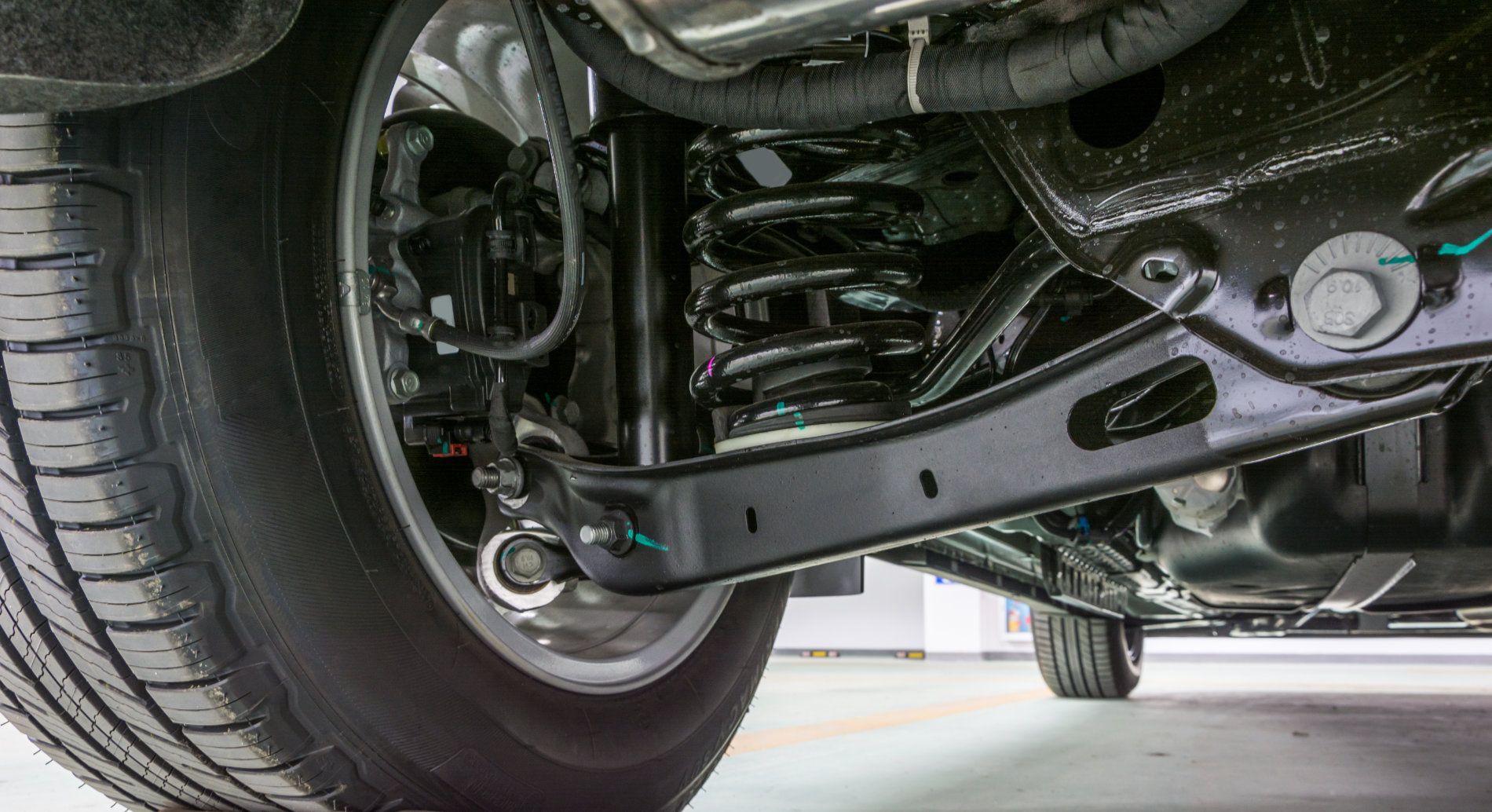
Leaf springs are made from stacked layers of curved steel plates that flex under load and bolt directly to the axle. Coil springs are a single coiled length of steel that compresses and rebounds, usually paired with control arms and other locating components to keep the axle in place. Both are proven suspension spring types, but they behave differently on the road.
- Leaf springs spread weight across the full length of the pack, which suits constant or heavy loads
- Coil springs compress more evenly across small and large bumps, giving a smoother ride when unladen
- Leaf springs are simpler in design and generally easier to service in the field
- Coil springs allow more axle articulation, which matters for off-road travel
Neither is inherently better. The right choice depends on what the vehicle carries, where it goes and how often.
Which Spring Type Is Better for Towing?
Towing changes the way a vehicle sits and handles, and this is where the spring debate gets practical rather than theoretical. Leaf springs have long been the standard for load carrying because the way they flex under weight helps resist sag at the rear when a trailer or caravan is hooked up.
- Leaf springs support higher constant loads without needing additional air bags or load assist kits in many cases
- Coil-sprung vehicles can still tow well, but often need auxiliary support such as airbags to manage heavier trailer weights
- Leaf spring setups tend to be more predictable under sustained heavy towing over long distances
- Coil springs can offer better ride comfort when towing lighter loads on smoother roads
For anyone regularly towing a van or heavy trailer around the Riverina or further afield, this is one of the first things worth discussing before deciding on a spring type.
Daily Driving vs Off-Road Use: Matching Springs to Your Lifestyle
Most vehicles in Albury split their time between bitumen and dirt, so it's worth being honest about the actual mix. A vehicle used mostly for commuting with occasional weekend trips has different priorities to one that spends most weekends on tracks around the Victorian high country or the Murray River backroads.
- Daily drivers benefit from a suspension setup that balances comfort with load capacity
- Off-road focused vehicles benefit from spring types that allow better wheel travel and articulation
- Load-carrying needs should be assessed honestly, including tools, camping gear or accessories fitted
- A test of current ride height and sag under normal load gives a clearer picture than guesswork
This is often where a written vehicle-specific assessment makes more sense than picking a spring type off a shelf.
Why Most Dual-Cab Utes Run Rear Leaf Springs
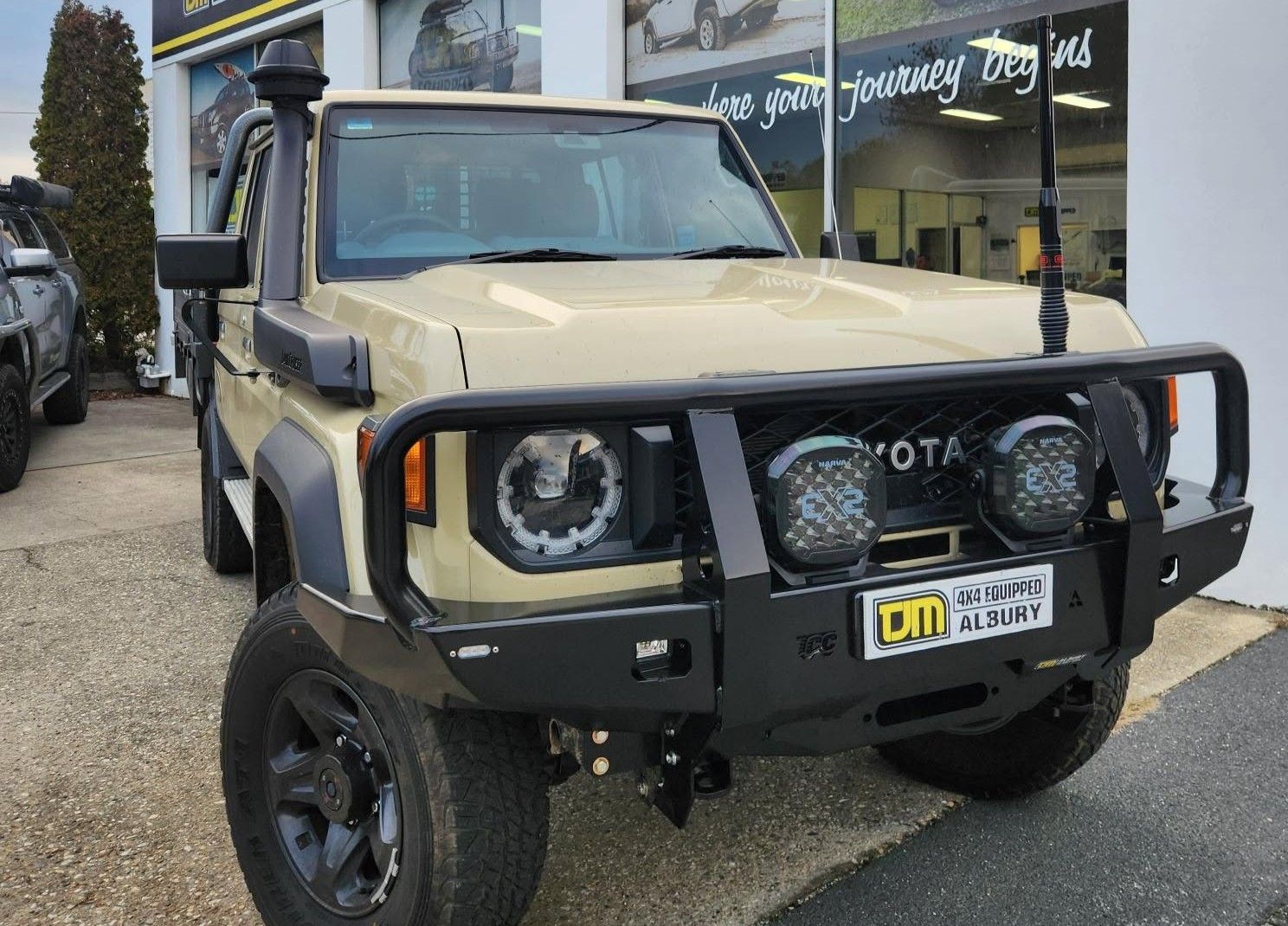
Dual-cab utes are built to carry a tray or canopy load, and leaf springs suit that job well. The factory setup on most utes uses leaf springs at the rear because they handle variable and heavy loads without the vehicle sitting unevenly.
- Leaf springs support tray backs, canopies, dog boxes and general work loads
- They cope well with uneven weight distribution, such as tools stored to one side
- Rear leaf springs are straightforward to upgrade with heavier duty packs if load requirements increase
- They remain a practical choice for tradies and touring vehicles that carry gear regularly
For anyone running a canopy, drawers or a bull bar on the front, the way the rear leaf springs are set up plays a direct role in keeping the vehicle level.
Why Wagons and SUVs Typically Use Coil Springs
Wagons and SUVs are generally built with ride comfort and handling as a priority, which is why coil springs are the standard front and rear on most of these vehicles. The independent or semi-independent suspension design that often comes with coil springs suits everyday driving and family use.
- Coil springs provide a smoother, more compliant ride over corrugations and potholes
- They suit vehicles that don't regularly carry maximum rated loads
- Coil-sprung wagons generally handle more predictably in cornering at road speeds
- Upgraded coil springs are available for those wanting extra height or load capacity without losing ride quality
Wagon owners fitting roof racks, drawer systems or heavier touring gear should factor this added weight into any suspension discussion.
Matching Spring Type to Your Albury Commute and Weekend Touring
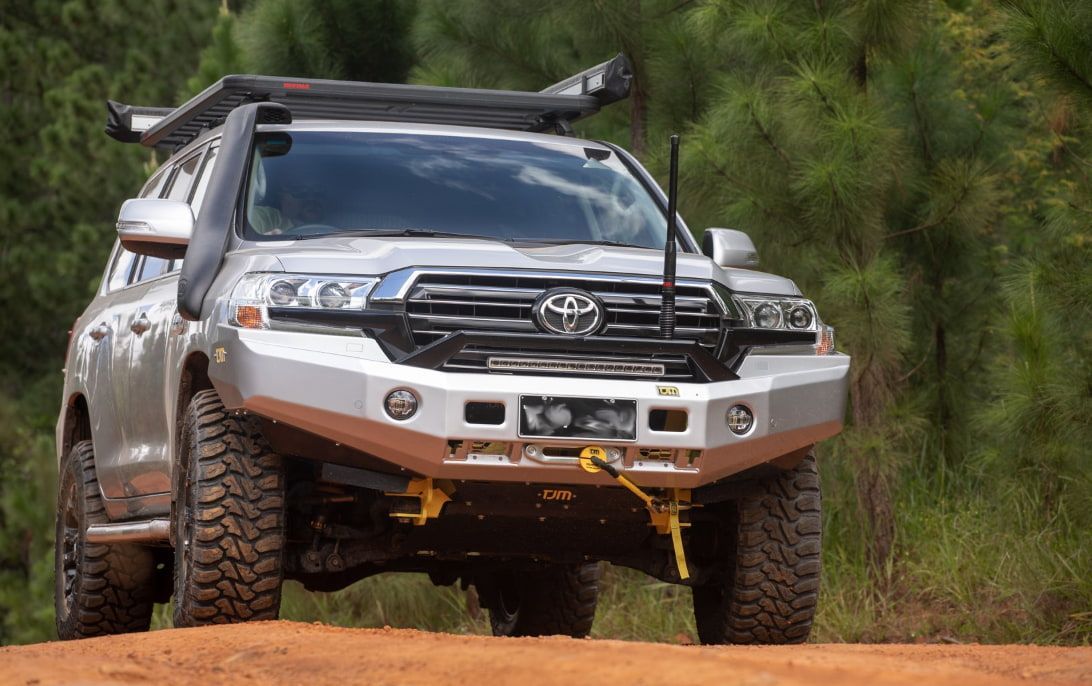
Albury sits at a useful crossroads for four-wheel drivers. Many owners are commuting on the Hume Highway during the week and heading out to spots like the Kosciuszko high country, the Murray River tracks or across into Victoria on weekends. That mix matters when deciding on a suspension setup.
- Regular highway commuting favours a setup that doesn't sacrifice comfort for load capacity
- Weekend touring with camping gear or a trailer changes the load profile significantly
- Seasonal conditions, including wet weather on local dirt roads, affect how a suspension performs
- Local terrain around the Alpine region often demands more wheel travel than city driving
Getting suspension advice suited to this kind of dual-use pattern makes more sense than following generic online guides, and it's also why we've previously written about
why suspension shouldn't be bought online rather than fitted without proper assessment.
Getting the Right Suspension Setup for Your Vehicle
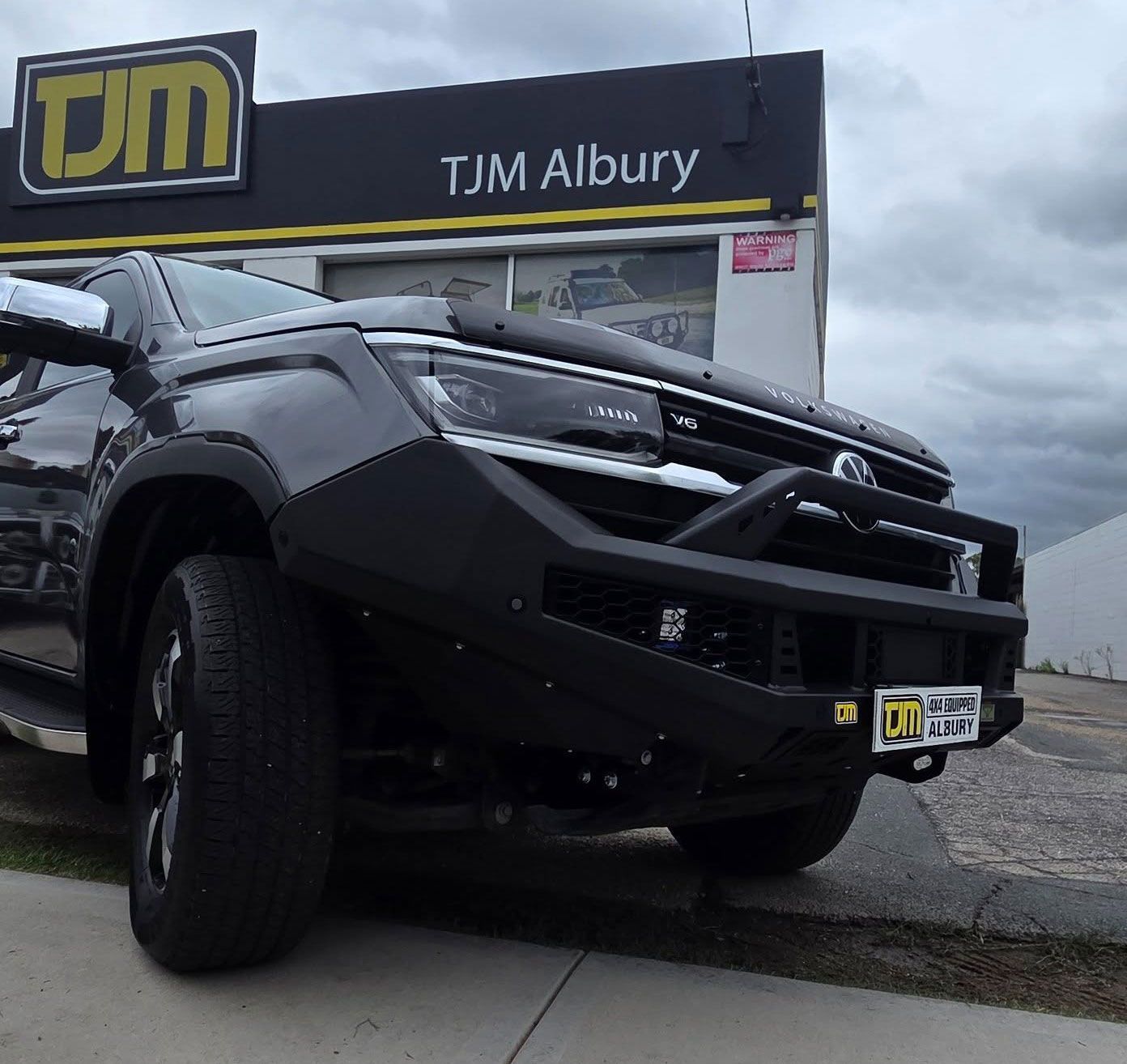
Choosing between spring types isn't just about picking one over the other. It often comes down to matching the spring rate, height and load rating to the specific vehicle, its accessories and how it's driven. A vehicle fitted with bull bars Albury drivers commonly add, along with a winch or bar work, carries more front-end weight than stock, which changes suspension requirements.
- Accessories such as bull bars, winches and canopies all add weight that suspension needs to manage
- Spring rates should be matched to the vehicle's actual loaded weight, not just the make and model
- A proper fitment assessment accounts for tyre size, wheel offset and ride height changes
- Ongoing checks after fitment help confirm the setup is settling correctly
Getting Help With Your Decision
Choosing between leaf spring vs coil spring suspension comes down to how a vehicle is used day to day and what it needs to carry on weekends. We at
TJM Albury work through these details with each customer so the setup fitted actually suits the vehicle and how it's driven, rather than a generic recommendation. If you're weighing up a suspension upgrade,
get in touch with
our team to talk through your vehicle and travel plans before deciding.
FAQs